

Solution
Acoustics
Acoustic design, measurement and treatment for spaces that sound exactly as intended.
At Sound Creations, we understand how people respond to various acoustic environments, enabling us to apply acoustical science to buildings and spaces resulting in delivery of successful results. We apply good acoustical analysis and design in collaboration with the entire project team to maximize client satisfaction.
We use sophisticated software and equipment to measure, store and analyze acoustical parameters. The information is then communicated in the most appropriate format to the client and other consultants, when required. Sometimes, a space may require electroacoustic enhancement as the only architectural acoustic solution. When this is needed, Sound Creations can design and supply the necessary enhancement required, having been in the electroacoustic enhancement business for over 15 years.
Acoustics for studios, conference rooms and theatres
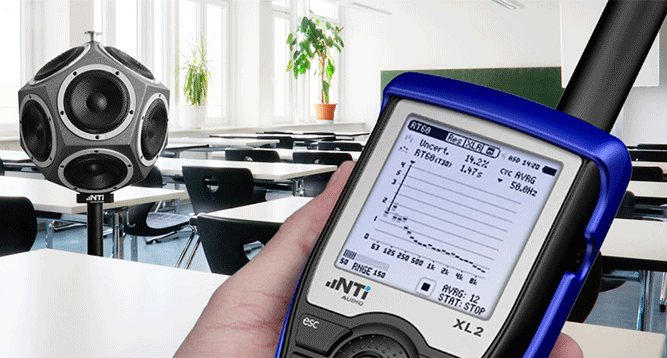
Room acoustics decide whether people can understand what is said. Speech intelligibility drops when sound keeps bouncing off hard surfaces, so words blur together even with good equipment. Sound Creations measures a room’s reverberation (RT60) on site, sets a target for how the room will be used, designs the treatment, and measures again after installation to verify the result.
- Studio acoustics: recording, broadcast and podcast rooms need controlled reflections and even bass so that what you hear in the room is what goes on the recording. Treatment combines absorption, diffusion and bass control.
- Conference room acoustics: in boardrooms and meeting rooms, echo makes video calls tiring and microphones pick up the room as well as the voice. Treating the room improves clarity for people in the room and on the call. See boardroom and conference room audio.
- Theatre acoustics: theatres and auditoriums need speech and music to carry naturally to every seat, with treatment placed so the room still feels lively.
Acoustic treatment controls sound inside a room. It does not stop sound passing through walls, floors or ceilings to other rooms or neighbours. That is soundproofing, a separate job covered on our sound isolation page.
Treatment products we supply and install include Rockfon, Barrisol, Asona and Aid. See also acoustic panels and ceilings.
More questions
Do studios need acoustic treatment or soundproofing?
Often both, and they solve different problems. Treatment controls how sound behaves inside the studio so recordings and mixes are accurate. Soundproofing stops outside noise getting in and studio sound getting out. We assess both and recommend what the room needs; see our sound isolation page for soundproofing.
Frequently asked questions
What is the difference between acoustic treatment and soundproofing?
Acoustic treatment controls echo and reverberation inside a room so speech and music are clear. Soundproofing, or sound isolation, stops sound passing between spaces, such as from a club to neighbouring homes. Panels and ceilings treat a room but do not soundproof it. See our sound isolation page for that problem.
What reverberation time should a church or lecture hall have?
It depends on the room's volume and use, but speech spaces generally need much shorter reverberation than many Kenyan halls have. At PCEA Chuka, the recommended mid-frequency target for the room was 1.22 seconds; after treatment the measured result was 1.1 seconds, down from 3.3.
What is RT60?
RT60 is the time it takes for sound in a room to fade by 60 decibels after the source stops. Long RT60 makes speech blur together. We measure it on site with acoustic test equipment, design treatment to a target, and measure again afterwards to verify the result.
How do you work out how much acoustic treatment a room needs?
We measure the room's reverberation, calculate its volume and surface finishes, and model how much absorption is needed to reach a target for its use. That tells you the area and type of panels or ceiling required, so you do not over- or under-buy.
Which rooms benefit from acoustic treatment?
Churches, school halls, auditoriums, conference rooms, restaurants, studios and event venues are the most common. Any room with hard floors, walls and ceilings and lots of speech will benefit.
What is speech intelligibility and how is it improved?
Speech intelligibility is how clearly listeners can understand spoken words in a room. It suffers when reverberation is long, background noise is high or loudspeakers are poorly placed. It is improved by reducing reverberation with acoustic treatment, controlling noise, and designing the sound system to cover listeners evenly. We measure the room before and after to confirm the improvement.
Acoustic expertise
Architectural Acoustic Services
From first concept to the finished room, we design, measure and treat critical listening spaces so they perform exactly as intended.
Design and Consulting
In partnership with architects and architectural firms, we can provide innovative solutions and procedures towards creating excellence in acoustic and electroacoustic design and installation. We always look forward to participate in the collaborative design process.
Testing and Measurement
Using advanced acoustic testing and measurement equipment, Sound Creations’ consultants can evaluate and analyze different spaces to develop acoustic criteria as well as evaluate their achievement with utmost accuracy.
Surface Treatments
Critical listening spaces such as auditoria, churches, studios, theatres, conference rooms, home theaters and all speech intelligibility sensitive spaces benefit from accurate acoustic design. We provide appropriate surface treatments to enhance the audio experience in these spaces.
Have a project in mind?
Tell us about your space and application. Our technical team will help you specify the right system.
Request a Consultation